Source Biodegradable Clumping Cat Litter for Home, Shelter, and Retail
Find 30 biodegradable clumping cat litter options from China. Compare silica gel, bentonite, and paper materials with features like low dust, odor control, and custom packaging. Source reliable suppliers for diverse cat toilet needs; compare the available evidence and request quotations based on your requirements.
Key considerations
Products List




Comprehensive Sourcing Guide
Biodegradable Clumping Cat Litter Sourcing Guide
The market for biodegradable clumping cat litter presents a complex landscape where material composition varies significantly between silica gel, paper, and bentonite formulations. While the core keyword emphasizes biodegradability, observed listings frequently feature silica gel and paper-based options alongside traditional bentonite, requiring buyers to scrutinize raw material declarations carefully. Procurement teams must distinguish between products marketed as eco-friendly and those that rely on non-biodegradable clumping agents, ensuring the selected material aligns with sustainability goals without compromising performance.
Buyers should prioritize suppliers who explicitly define their clumping mechanism and decomposition timeline, as these attributes directly impact waste management strategies and end-user satisfaction. The observed product range includes items with specific features like dust-free properties and superior odor control, yet the biodegradable claim often depends on the specific raw material used, such as paper or plant-based fibers. Verification of the actual material composition is essential before committing to large orders, as the term "biodegradable" can be applied loosely across different product categories in the current marketplace.
Product Scope and Observed Listing Signals
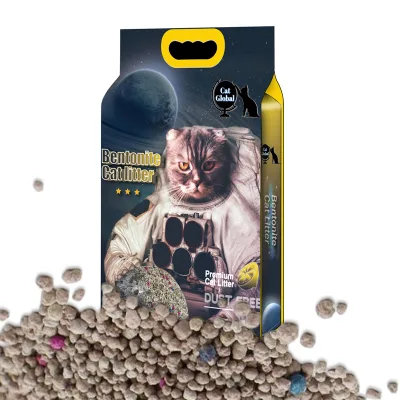
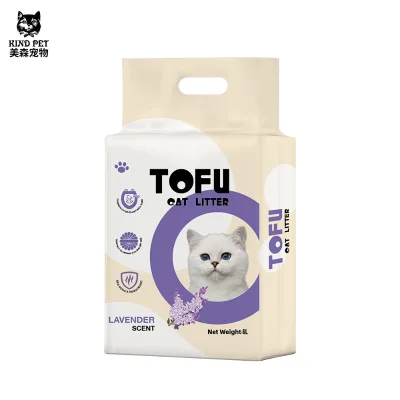
Current listings indicate a diverse product scope ranging from crystal silica gel to paper-based and bentonite clumping litters, with packaging sizes varying from 3.8L to 24kg compound bags. The observed data shows that while some products are explicitly labeled as crystal or paper cat litter, others are categorized broadly under pet cleaning products with customizable fragrances like milk, green tea, or activated carbon. This variation necessitates a clear definition of the desired material type during the sourcing process to avoid receiving non-biodegradable silica gel products when eco-friendly alternatives are required.
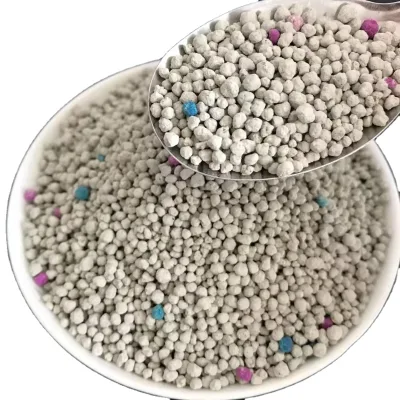
Fragrance options and customization capabilities are prominent signals in the current market, with many suppliers offering OEM/ODM services for logos, scents, and packaging designs. Buyers will encounter products with specific color variations, such as white with 3% color additives, and various bag types including stand-up pouches and woven bags. It is critical to verify that the customization options requested, such as specific fragrance profiles or packaging materials, do not inadvertently introduce non-biodegradable components that would negate the environmental benefits of the core product.
Technical Specifications to Verify
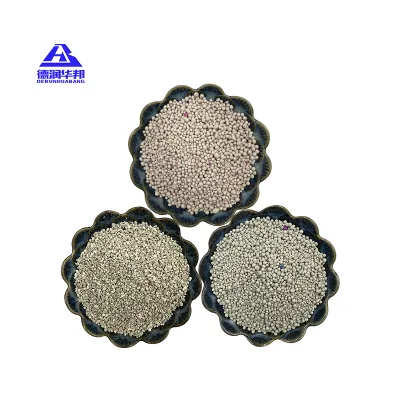
Technical verification must focus on the raw material composition, as the supplied facts list silica gel, paper, and bentonite as distinct material categories with different biodegradability profiles. Buyers should request detailed material safety data sheets to confirm the percentage of biodegradable content, ensuring that the clumping agent is derived from renewable sources rather than synthetic polymers or non-degradable minerals. The particle size specifications, ranging from 1.0mm to 3.8mm, also influence clumping efficiency and dust generation, which are critical performance metrics for end-user acceptance.
Dust levels and clumping speed are additional technical parameters that require rigorous testing, as observed listings highlight features like "dust-free" and "low dust" claims alongside "highly adsorbent" properties. Procurement teams should demand third-party test results for dust emission and clumping integrity to validate these performance claims, as these attributes directly affect the cleanliness of the home and the frequency of litter box maintenance. Ensuring the product meets specific size and texture standards is vital for maintaining the functional integrity of the litter while adhering to biodegradable material constraints.
Compliance and Safety Documentation
Compliance documentation is a critical component of the sourcing process, with observed listings frequently citing certifications such as ISO 9001, BSCI, RoHS, and MSDS. Buyers must verify that the supplier holds valid certificates for the specific product batch, as these documents confirm adherence to quality management systems and safety standards for pet products. The presence of MSDS is particularly important for understanding the chemical composition and handling requirements, ensuring that the biodegradable materials do not release harmful substances during use or disposal.
Safety documentation should also address the environmental impact of the product, including any specific regulations regarding biodegradability and waste disposal in the target market. While some listings mention CE certification, buyers should confirm that the product meets local environmental standards for biodegradable pet waste, as regulations vary significantly by region. Requesting comprehensive safety data and environmental compliance reports helps mitigate the risk of regulatory non-compliance and ensures the product can be legally marketed and sold in the intended destination.
Cost Drivers and Commercial Terms
Cost drivers in the biodegradable cat litter market are heavily influenced by raw material availability, packaging complexity, and the extent of customization required. The observed MOQ ranges from 1 ton to 5 tons, indicating that smaller buyers may face higher per-unit costs or limited supplier options compared to large-volume purchasers. Packaging specifications, such as the use of PP bags with PE liners or custom compound bags, also contribute to the overall cost structure, as eco-friendly packaging materials often command a premium over standard industrial packaging.
Commercial terms regarding shipping and logistics play a significant role in the total landed cost, with suppliers offering sea, air, land, and multimodal transport options. Buyers should negotiate clear terms for lead times and freight responsibilities, as the weight and volume of the product can vary based on the chosen packaging and material density. Understanding the cost implications of different fragrances and color options is also essential, as these value-added features can significantly impact the final price per unit and the overall budget for the procurement project.
Supplier Qualification and Quality Control
Supplier qualification requires a thorough assessment of manufacturing capabilities, specifically their ability to source and process biodegradable raw materials consistently. Buyers should evaluate the supplier's production facilities in regions like Hebei and Shandong, China, to ensure they have the infrastructure to maintain quality control standards for eco-friendly products. The ability to provide samples, including stock samples available for free, allows buyers to physically test the clumping performance and biodegradability before committing to a larger order.
Quality control processes must include regular audits of the production line to verify that the raw materials match the declared specifications and that the final product meets the agreed-upon performance standards. Suppliers should demonstrate a robust system for managing variations in particle size, dust levels, and clumping speed, as these factors are critical for maintaining product consistency. Establishing a clear communication channel for quality feedback and implementing a rigorous inspection protocol before shipment are essential steps to ensure the delivered product meets the buyer's expectations.
Long-Term Procurement Checks
Long-term procurement success depends on establishing a reliable supply chain that can consistently deliver biodegradable cat litter that meets evolving environmental and performance standards. Buyers should implement a periodic review process to assess supplier performance against key metrics such as delivery reliability, product consistency, and adherence to sustainability claims. This ongoing evaluation helps identify potential risks in the supply chain and ensures that the supplier remains capable of meeting the buyer's long-term volume and quality requirements.
Continuous monitoring of market trends and regulatory changes is also necessary to ensure the product remains compliant and competitive in the target market. Buyers should stay informed about new biodegradable materials and technologies that could offer improved performance or cost advantages, allowing for strategic adjustments to the sourcing strategy. Building a strong partnership with suppliers who are committed to innovation and quality improvement will provide a competitive edge and ensure the long-term viability of the biodegradable cat litter product line.
FAQs
What materials are used for biodegradable clumping cat litter?
Biodegradable clumping cat litter is typically made from natural materials such as paper, silica gel, or bentonite. These raw materials are selected for their ability to form clumps when wet and their capacity to absorb moisture effectively. The choice of material influences the litter's weight, dust levels, and environmental impact, ensuring a safe and clean environment for cats while meeting specific buyer requirements for sustainability and performance.
Can biodegradable cat litter be customized with a logo?
Yes, customization is available for biodegradable cat litter, including the addition of a customized logo. Manufacturers often accept OEM and ODM requests, allowing buyers to tailor the packaging and branding to their specific needs. This service supports brand identity and market differentiation, ensuring that the final product aligns with the buyer's commercial strategy and visual guidelines while maintaining the core functional properties of the litter.
What certifications are required for biodegradable cat litter suppliers?
Suppliers of biodegradable cat litter typically hold certifications such as ISO 9001, BSCI, RoHS, and MSDS. These documents verify quality management systems, social compliance, and safety standards for material handling. Buyers should request these certificates to ensure the product meets international regulatory requirements and ethical manufacturing practices. Valid certifications provide assurance of product consistency and safety, which is critical for maintaining trust in the pet care supply chain.
What are the standard packaging options for cat litter?
Standard packaging for cat litter includes PP bags, PE bags, and compound bags with various volume and weight specifications. Common sizes range from 3.8L to 20kg, with options for 5L, 7.2L, 8L, 10L, 15kg, and 20kg bags. Packaging can be customized according to buyer requests, including side-seal bags, stand-up pouches, or woven bags. This flexibility ensures safe transport and convenient storage for end-users while protecting the product from moisture and contamination.
How does the MOQ vary for biodegradable cat litter orders?
The minimum order quantity for biodegradable cat litter varies by supplier, typically ranging from 1 ton to 5 tons. Some suppliers may offer lower MOQs for stock samples or specific product lines, while larger orders benefit from economies of scale. Buyers should confirm the exact MOQ with the manufacturer, as it depends on the product type, customization requirements, and production capacity. Understanding these thresholds helps in planning inventory and managing cash flow effectively.
What fragrance options are available for biodegradable cat litter?
Biodegradable cat litter is available in various fragrance options, including milk, activated carbon, honey peach, green tea, and unscented variants. These scents are designed to control odors effectively while providing a pleasant environment for pets and owners. Buyers can select from these options based on market preferences or specific customer demands. The fragrance is integrated into the litter during production, ensuring long-lasting odor control without compromising the clumping or absorption properties of the product.